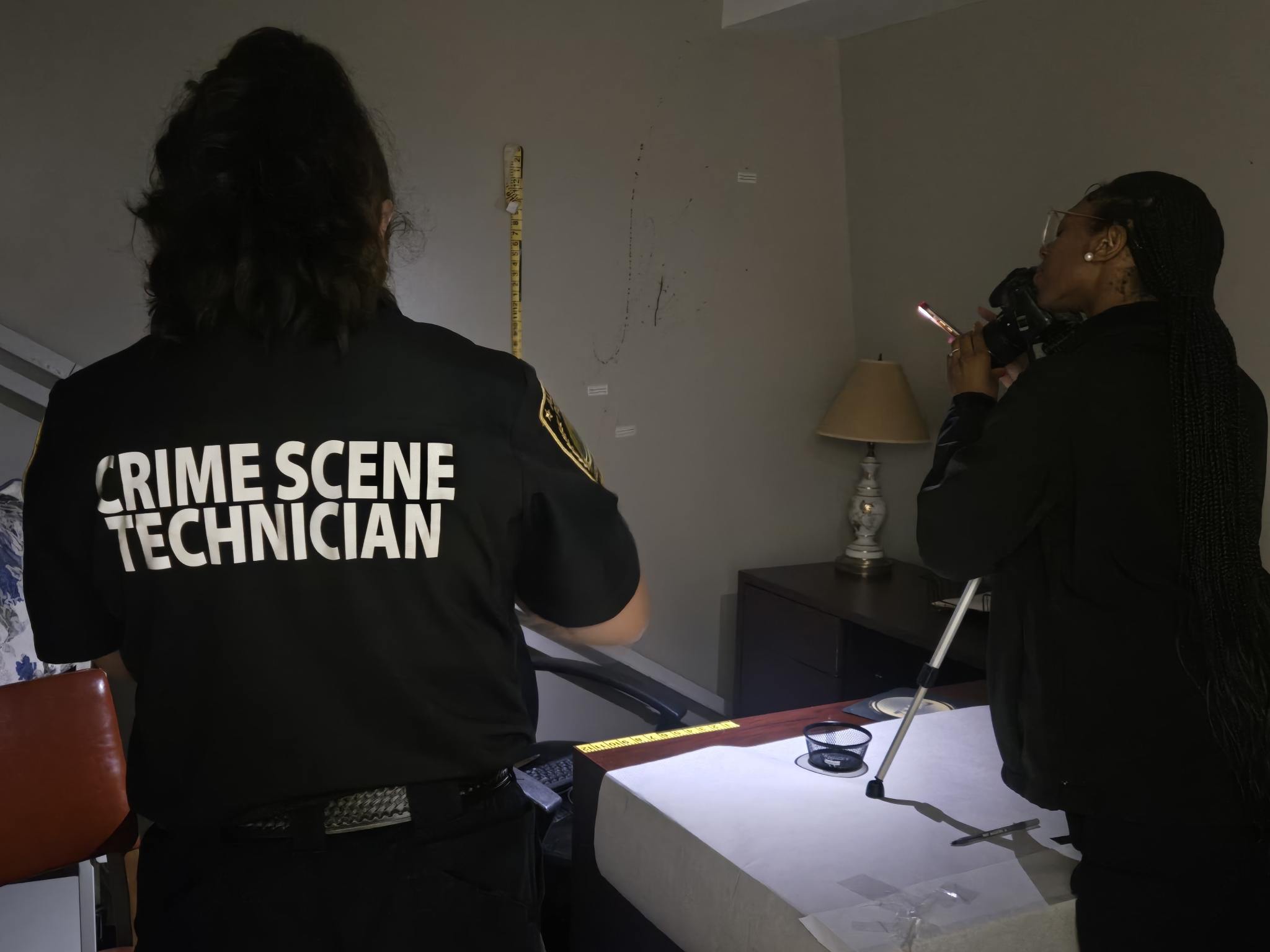
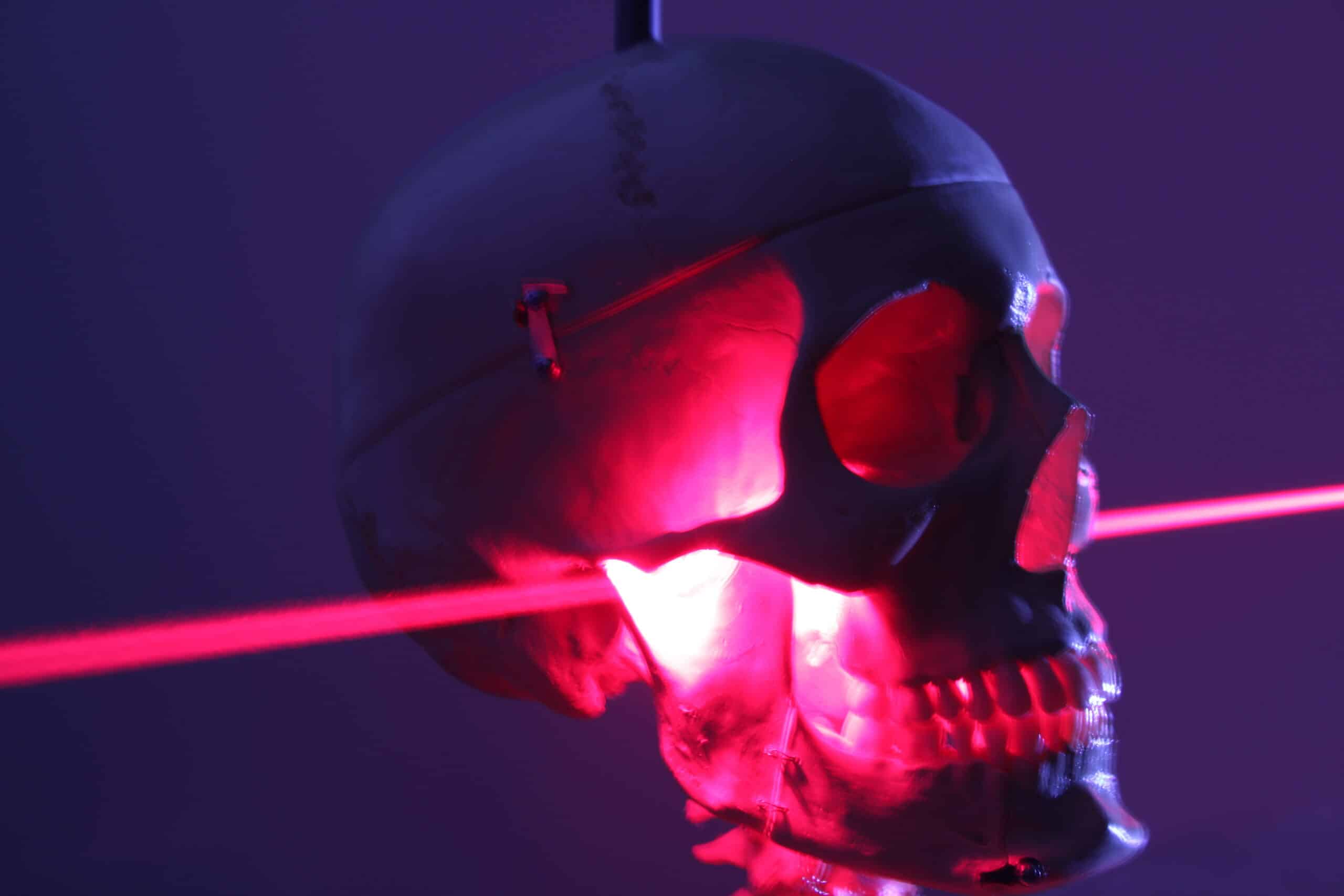
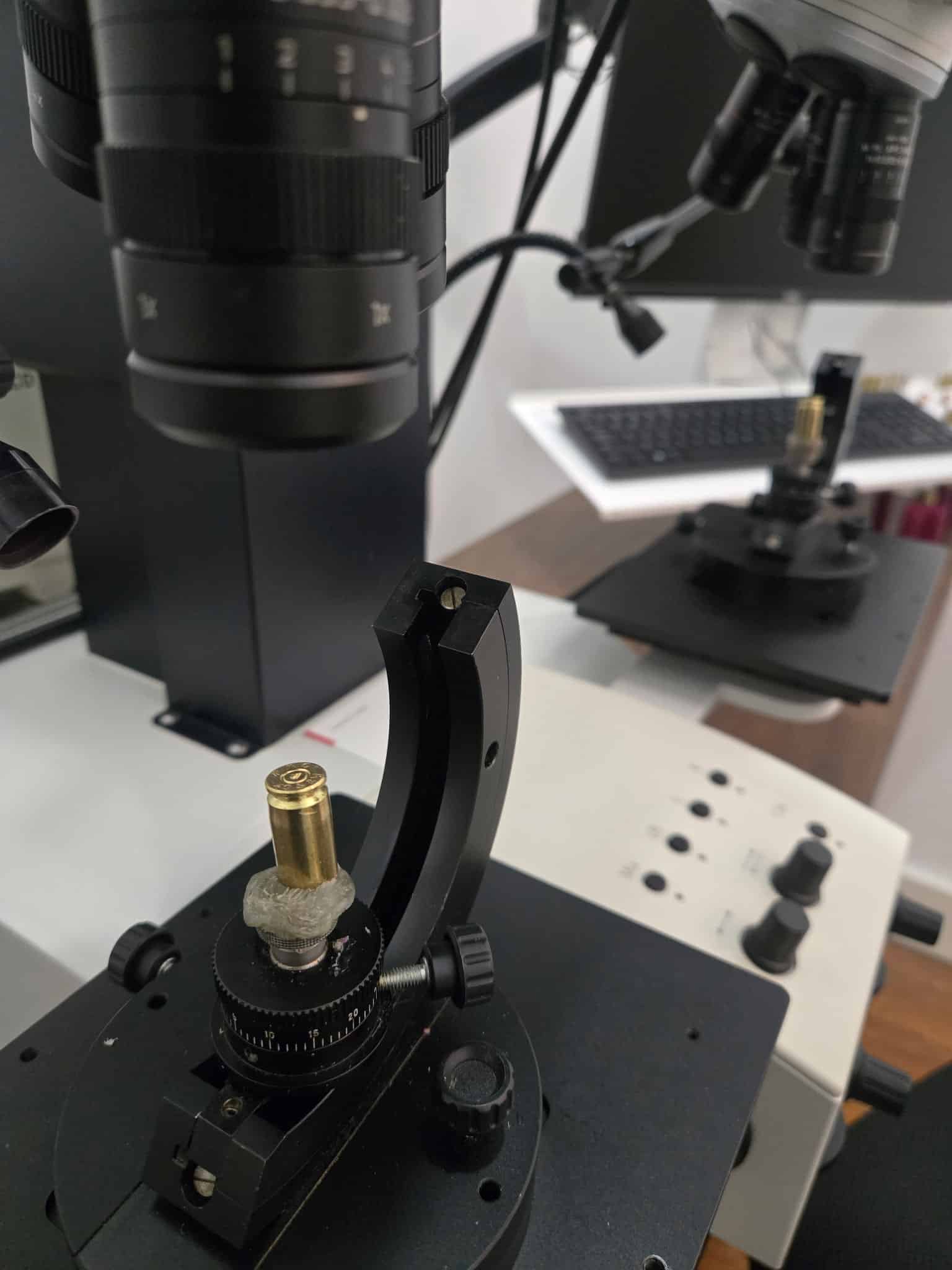
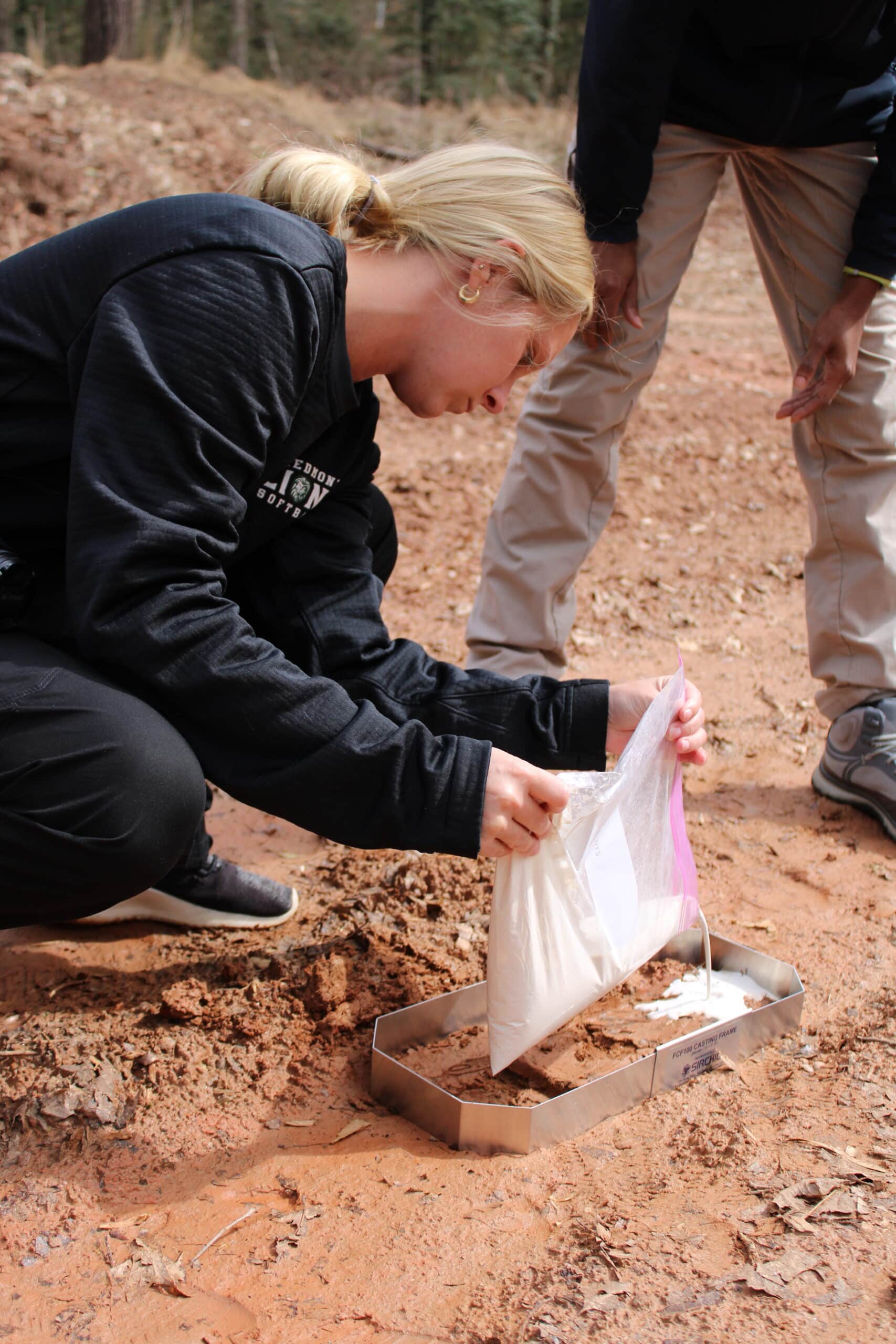
At Piedmont University, forensic science is more than earning a degree. It is an opportunity to develop the scientific knowledge, technical skills, and professional experience needed to succeed in one of the nation’s fastest-growing career fields. Our program combines rigorous academics with hands-on learning to prepare students for careers in crime laboratories, law enforcement agencies, medical examiner offices, and private forensic organizations.
Small class sizes allow students to work closely with faculty who bring extensive professional experience into the classroom, while modern laboratory facilities provide opportunities to apply classroom concepts using the same techniques and equipment found in professional forensic laboratories. Throughout the program, students participate in mock crime scene investigations, laboratory exercises, and a semester-long internship that provides valuable real-world experience before graduation. Together, these experiences ensure that graduates leave Piedmont prepared to contribute immediately to the forensic science profession.
#1 Best College with Forensic Science and Technology Degrees in Georgia (niche.com, 2026)
One of the defining features of Piedmont University’s Forensic Science program is its partnership with the Georgia Forensic Academy. Through this unique opportunity, students can earn dual credit by simultaneously completing coursework that applies toward their Bachelor of Science in Forensic Science while also earning Georgia POST credit toward the Crime Scene Technician Certification. This certification is recognized by law enforcement agencies and is an important professional credential for individuals seeking careers in crime scene investigation.
Piedmont University is currently the only university in Georgia with a forensic academy that offers Georgia POST credit toward the Crime Scene Technician Certification. While other university-affiliated academies provide Georgia POST basic law enforcement training, the Georgia Forensic Academy is uniquely focused on forensic science education and professional crime scene training.
By completing academy coursework before graduation, students gain practical experience, develop professional relationships with working forensic practitioners, and graduate with credentials that distinguish them from other applicants entering the job market. This combination of academic preparation and professional training provides graduates with a competitive advantage as they begin careers in forensic science and crime scene investigation.
Piedmont University offers two concentrations that allow students to tailor their education to their career goals. Students interested in processing crime scenes, documenting evidence, and working in the field may choose the Field Track. Those interested in scientific laboratory analysis, biology, chemistry, and advanced forensic testing may pursue the Laboratory Track. Regardless of concentration, every student develops a strong foundation in scientific reasoning, critical thinking, evidence analysis, and professional ethics.
Learning extends well beyond the classroom. Throughout the program, students participate in realistic mock crime scene investigations, evidence collection and processing, forensic photography, laboratory analyses, courtroom testimony exercises, mock interviews, career fairs, and a semester-long internship. These experiences reinforce classroom instruction while helping students develop the confidence, technical skills, and professionalism expected by employers.
Students complete coursework in our new dedicated forensic laboratory designed to support a wide range of forensic disciplines. Specialized instructional spaces for crime scene processing, forensic photography, comparative analysis, firearms and toolmarks, trace evidence, bloodstain pattern analysis, forensic anthropology, and evidence receiving allow students to train using professional-grade equipment in an environment that closely resembles operational forensic laboratories.
This combination of specialized coursework, hands-on training, modern laboratory facilities, and real-world experience prepares graduates for careers in crime laboratories, law enforcement agencies, medical examiner and coroner offices, government agencies, and private forensic organizations. Whether students choose to begin their careers immediately after graduation or continue into graduate or professional school, they leave Piedmont with the knowledge, practical experience, and professional foundation needed to succeed in the forensic sciences.
Fingerprint photo by Forensic Science alumna Hannah Anderson
Career Opportunities
A forensic science degree from Piedmont opens doors and a wide range of professional pursuits. For instance, our graduates have gone on to buildsuccessful careers in:
Behavioral Science
Computer Analysis
Crime Laboratory Analysis
Crime Scene Examination
Criminology
Document Examination
Forensic Engineering
Medical Examination
More About Forensic Science
Learn more about Forensic Science and the variety of options available to you as a Piedmont student.
Degree Requirements
As part of Piedmont’s College of Arts & Sciences, forensic science students will undertake a well-rounded and thorough mix of coursework – including 25 required courses that range from accounting to human anatomy and technical writing to photography. This also includes specialized forensic science courses and a semester-long internship (typically with a local or regional law enforcement agency).
Within our forensics program, students have two tracks to choose from: lab services for incoming laboratory scientists, and a second track that focuses on mastery of forensic disciplines. In the first track option, students take courses in forensic sciences, as well as chemistry, biology, and mathematics — all of which provide knowledge employers desire in their incoming forensic scientists. The second track is focused on mastery of the forensic disciplines, including documentation, mapping, photography, fingerprints or other imprint evidence, DNA, ballistics, bloodstain patterns, and more. No matter which track you choose, you will also take specialty courses such as crime scene photography, evidence documentation, and courtroom procedure to obtain knowledge and experiences not typically offered in forensic science programs.
Get Real-World Training
Piedmont’s forensic science students receive extensive practical preparation designed to ready them for their future careers. The professional connections and experience in forensics offered by the Piedmont faculty is unmatched in Georgia and is why we can place students in stellar internships. These relationships and proficiencies give students the practical knowledge and professional contacts they need to launch a successful career.
Get Ready for an Expanding and Exciting Career
State and local governments are expected to hire additional forensic science technicians to process their high caseloads. Additionally, scientific and technological advances are expected to increase the availability, reliability, and usefulness of objective forensic information used as evidence in trials. As a result, forensic science technicians will be able to provide even greater value than before, and more forensic science technicians will be needed to provide timely forensics information to law enforcement agencies and courts.
What could be your future
Related Programs
Intrigued by Forensic Science? You might also be interested in one of these programs:
ChemistryA background in chemistry can prove invaluable for a career in laboratories, quality control, sales, industrial management, business, and environmental and waste management.
Meet our Faculty
Our Forensic Science are experts in chemistry, biology, and criminal justice who bring real-world investigative experience and scientific knowledge into the classroom. They guide students through hands-on lab work, case studies, and research to prepare them for careers in forensic analysis and criminal investigation.
To begin your journey toward becoming a Forensic Science student at Piedmont University, you can start by applying today! Or, schedule a campus visit and meet with admissions and financial aid advisors, as well as faculty members in the Arts & Sciences department.
We use cookies to improve your experience on our site. By using our site, you consent to cookies.
This website uses cookies
Websites store cookies to enhance functionality and personalise your experience. You can manage your preferences, but blocking some cookies may impact site performance and services.
Essential cookies enable basic functions and are necessary for the proper function of the website.
Name
Description
Duration
Geolocation Config
This cookie is used to store the consent settings based on the visitor's location.
30 days
Cookie Preferences
This cookie is used to store the user's cookie consent preferences.
30 days
CloudFlare provides web performance and security solutions, enhancing site speed and protecting against threats.
These cookies are for internal use which allows Cloudflare to identify production issues on clients.
session
cf_chl_rc_m
These cookies are for internal use which allows Cloudflare to identify production issues on clients.
session
__cfruid
Used by the content network, Cloudflare, to identify trusted web traffic.
session
__cf_bm
Cloudflare's bot products identify and mitigate automated traffic to protect your site from bad bots. Cloudflare places the __cf_bm cookie on End User devices that access Customer sites that are protected by Bot Management or Bot Fight Mode. The __cf_bm cookie is necessary for the proper functioning of these bot solutions.
session
__cflb
When enabling session affinity with Cloudflare Load Balancer, Cloudflare sets a __cflb cookie with a unique value on the first response to the requesting client. Cloudflare routes future requests to the same origin, optimizing network resource usage. In the event of a failover, Cloudflare sets a new __cflb cookie to direct future requests to the failover pool.
session
_cfuvid
The _cfuvid cookie is only set when a site uses this option in a Rate Limiting Rule, and is only used to allow the Cloudflare WAF to distinguish individual users who share the same IP address.
session
cf_clearance
Whether a CAPTCHA or Javascript challenge has been solved.
session
__cfseq
Sequence rules uses cookies to track the order of requests a user has made and the time between requests and makes them available via Cloudflare Rules. This allows you to write rules that match valid or invalid sequences. The specific cookies used to validate sequences are called sequence cookies.
session
cf_ob_info
The cf_ob_info cookie provides information on: The HTTP Status Code returned by the origin web server. The Ray ID of the original failed request. The data center serving the traffic
session
cf_use_ob
The cf_use_ob cookie informs Cloudflare to fetch the requested resource from the Always Online cache on the designated port. Applicable values are: 0, 80, and 443. The cf_ob_info and cf_use_ob cookies are persistent cookies that expire after 30 seconds.
session
__cfwaitingroom
The __cfwaitingroom cookie is only used to track visitors that access a waiting room enabled host and path combination for a zone. Visitors using a browser that does not accept cookies cannot visit the host and path combination while the waiting room is active.
session
cf_chl_rc_i
These cookies are for internal use which allows Cloudflare to identify production issues on clients.